
Publications
fp21 is building a new culture of foreign policy. Explore our publications below.
How Do We Measure Merit in Foreign Policy?
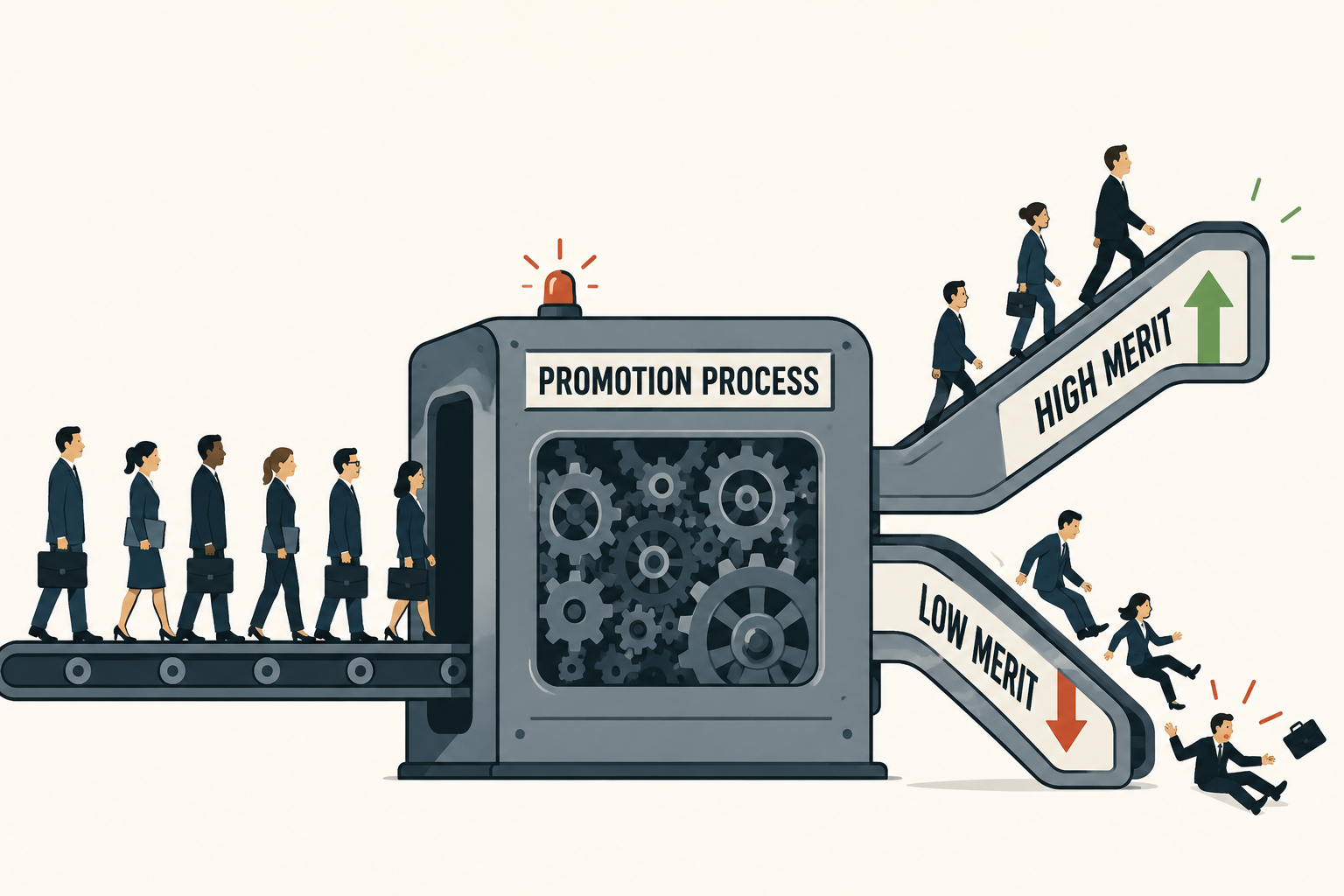
Dan Spokojny: How do we measure MERIT in foreign policy? This article explores a more scientific approach. It proposes three steps: 1) the concept of merit must be anchored in an objective understanding of performance; 2) we must evaluate construct validity of our measures; and, 3) we must evaluate inter-rater reliability.
A New Foreign Service Act: What Does This Mean?
Dan Spokojny: The legislation, which passed through House Foreign Affairs Committee on a bipartisan basis, is constructive. But nothing in this bill aims for deep structural change, and both supporters and critics of the Foreign Service might have desired more creative challenges to the status quo. Nevertheless, it is commendable that HFAC is following through on its responsibilities to regular reauthorizations.

Should Diplomats Trust AI?
Dan Spokojny: A recent report suggests that AI may soon be capable of performing most of a diplomat’s job. But proponents of AI are making three big bets that require careful scrutiny: 1) AI can help make us better and faster; 2) The technology is going to continue to get better; and, 3) We can make AI both superintelligent and super-safe. Each of these might be right. But each is also a critical failure point.

Building on a Bedrock of Innovation at State: Improving Tech Capacity To Improve America’s Foreign Policy
Joel Burke: The State Department has been slow to adopt and fully roll out new tech, which is essential for modernizing US foreign policy. Now, State must shed that image and build on the initial bedrock of AI innovation it has forged to become a leading force to deliver on America’s objectives. This report explores a brief history of IT projects at State and presents concrete ideas for improving State’s technical capacity.

How to Make Rubio’s State Department Reform a Success
Dan Spokojny: The most compelling theory of success for Secretary Rubio’s reorganization of the U.S. Department of State is that a transfer of power to the regional bureaus will not simply streamline, but also encourage increased cooperation within the Department. The author offers five suggestions to help this plan succeed.

Doctrine for Engineering Foreign Policy
Dan Spokojny: This article digs into the details of what a doctrine for policy engineering might look like, offering detailed recommendations on advance effective policy. It includes a one-page checklist that practitioners can use to support their own strategy processes.
Advice for the Inaugural Provost of the Foreign Service Institute
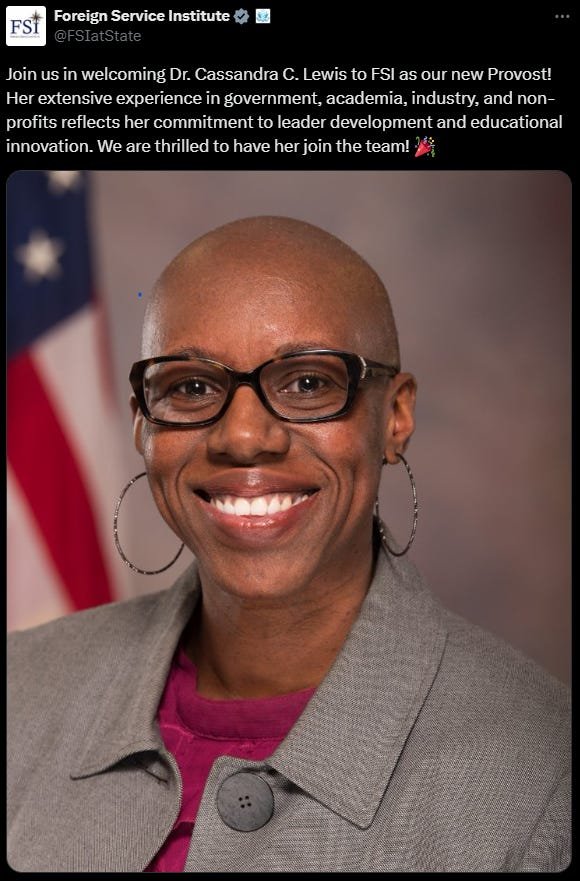
Dr. Cassandra C. Lewis has been appointed the inaugural Provost for the US Department of State’s Foreign Service Institute. The new Provost will oversee the curriculum used to train America's diplomats. This article offers suggestions for the new provost can make the most of this opportunity.
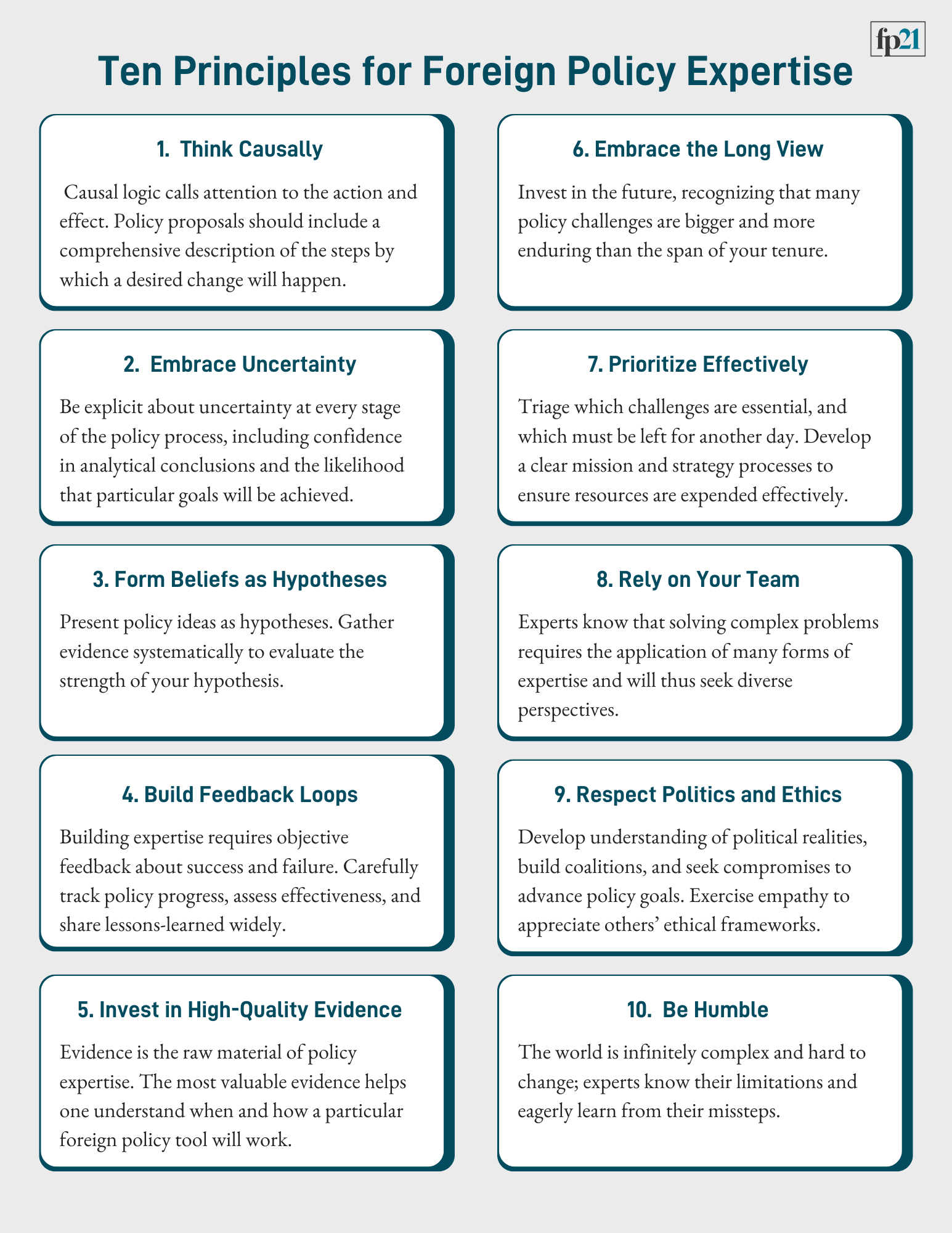
Ten Principles for Foreign Policy Expertise
Dan Spokojny: Guided by a theory of expertise, this articles offers ten principles that are central to the development and operationalization of expertise at the US State Department. They include embracing uncertainty, building feedback loops, investing in high quality evidence, relying on one's team, and more.

State Department FFRDC: Public Comment for the Federal Register
Dan Spokojny: The May 17 announcement that the State Department will sponsor its first research and development center is “a huge win for diplomacy.” The State Department invited public comment about its proposal, so fp21 and our partners mobilized to respond and help push this proposal forward.
Foreign Policy Doesn't Promote Expertise: But It Could
Dan Spokojny: Research suggests that expertise (defined as “consistently superior performance”) forms in environments that provide two ingredients: a) continual feedback about the success and failure of one’s actions, and b) repeated opportunities to use that feedback to practice the aspects exposed as weaknesses.

Raiding the Ivory Tower: How to Seek Academic Research Like an Expert
Thomas Leo Scherer, Lauren Van Metre, and Analise Schmidt: Smart policymakers know that foreign policy should be informed by the best available evidence. Too often, however, the policy process fails to seek evidence from academic research. This article offers tips to make the path easier by 1) searching better, 2) evaluating quality, and 3) creating systems to manage knowledge.
Making “Lessons Learned” Stick
Dan Spokojny: How many wars could be prevented, and how many lives saved, if only we could inject better knowledge into the bloodstream of policymaking process? Here are five observations based upon my study of lessons learned programs.
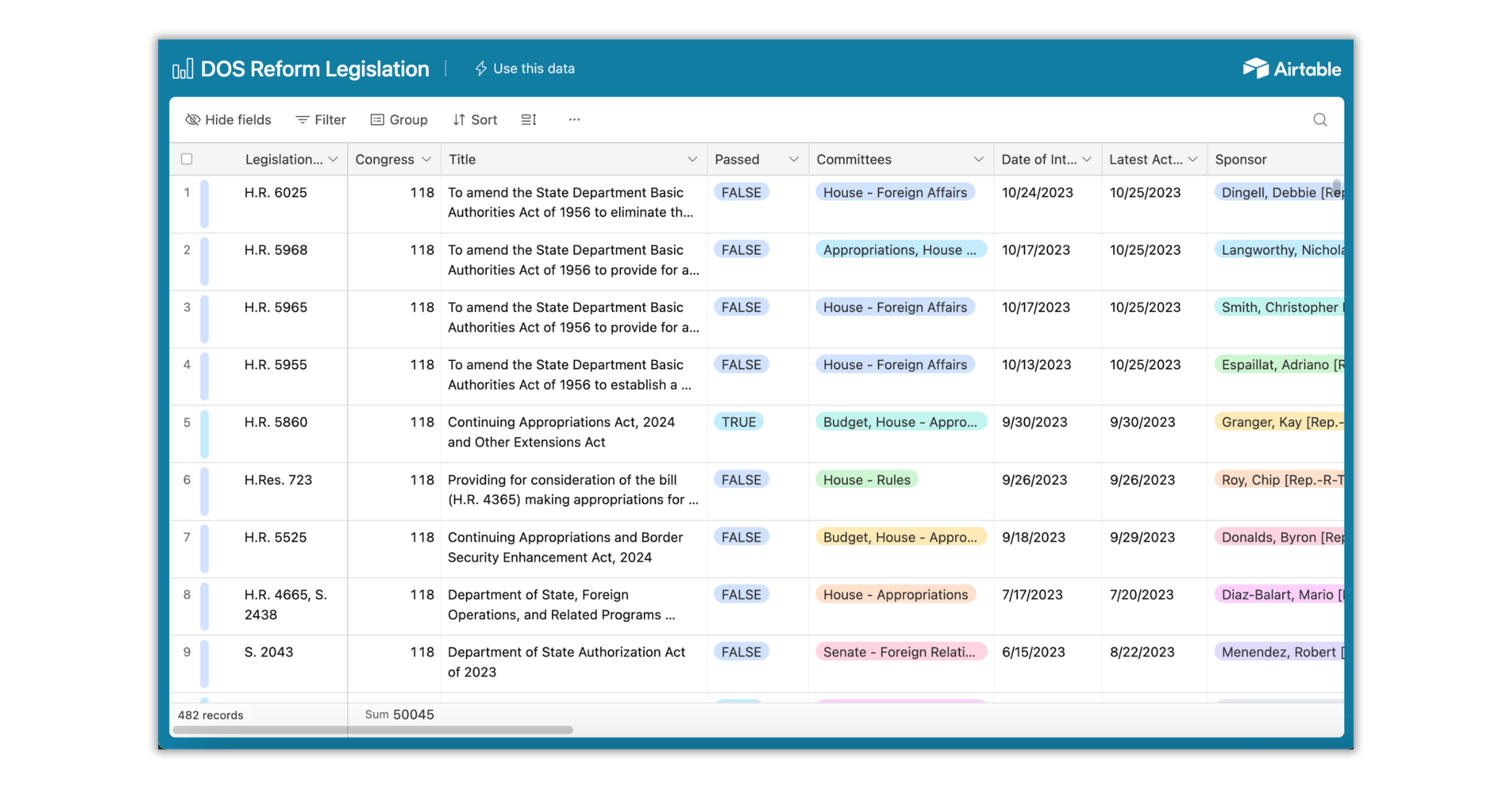
Legislating Diplomatic Reform: A Database of Bills
Ellice Huang and Sophia Brown-Heidenreich: Congress has shaped the legal authorities of the Department of State at regular intervals throughout American history, equipping American diplomacy to lead in the face of evolving international challenges. This database of foreign policy legislation to provide US foreign policy reform advocates with a comprehensive resource outlining the historical attempts of Congress to improve the State Department.
Congress Passes State Department Authorization for Third Year in a Row
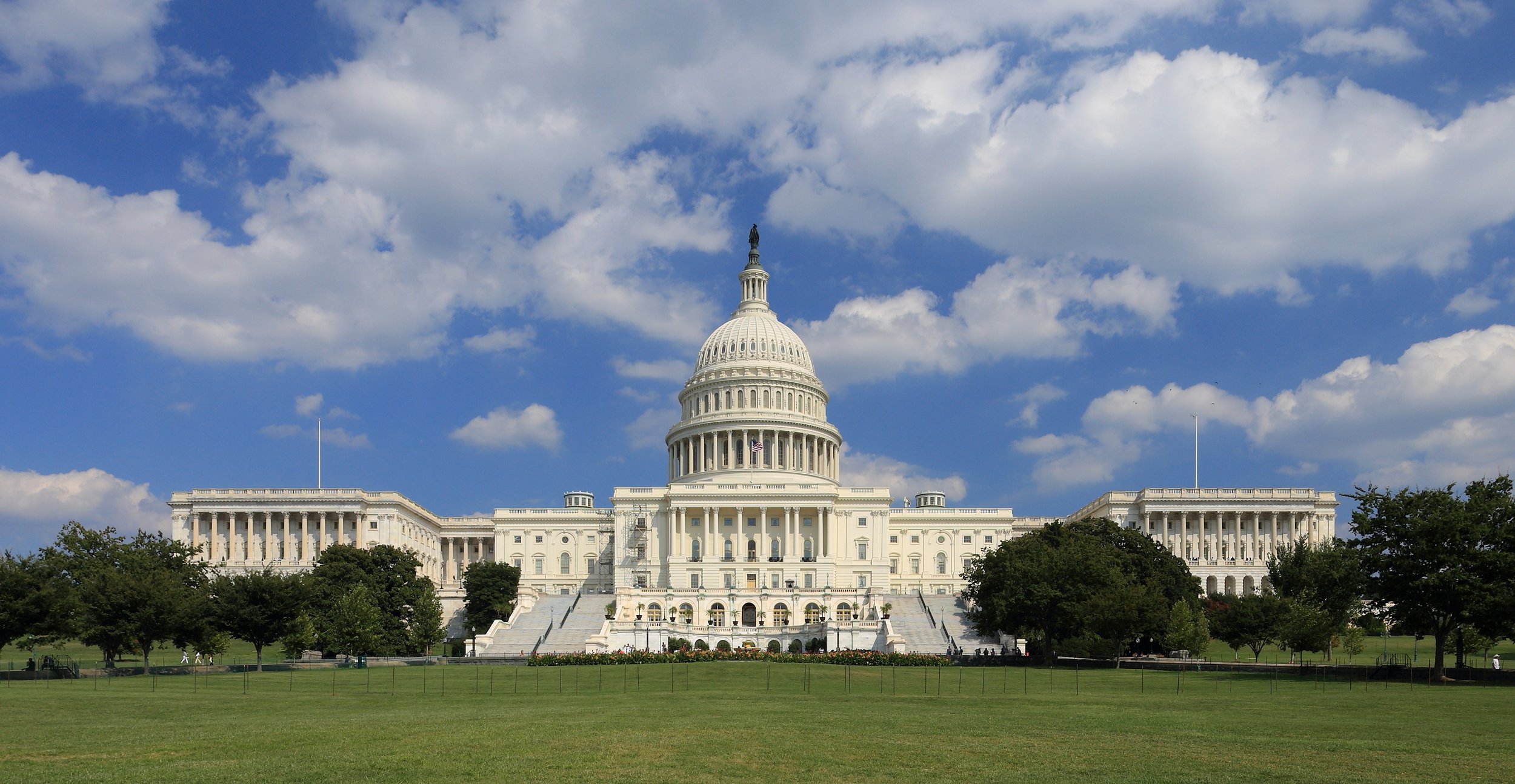
Dan Spokojny: The Department of State Authorization Act of 2024 was passed by Congress and signed into law, marking the third year in a row diplomacy gets a facelift. Legislators took aim at many of the issues fp21 has prioritized in recent years, continuing to press the State Department to modernize in the face of a rapidly changing international environment.
Learning From History: A Database of Prior Reform Proposals at State
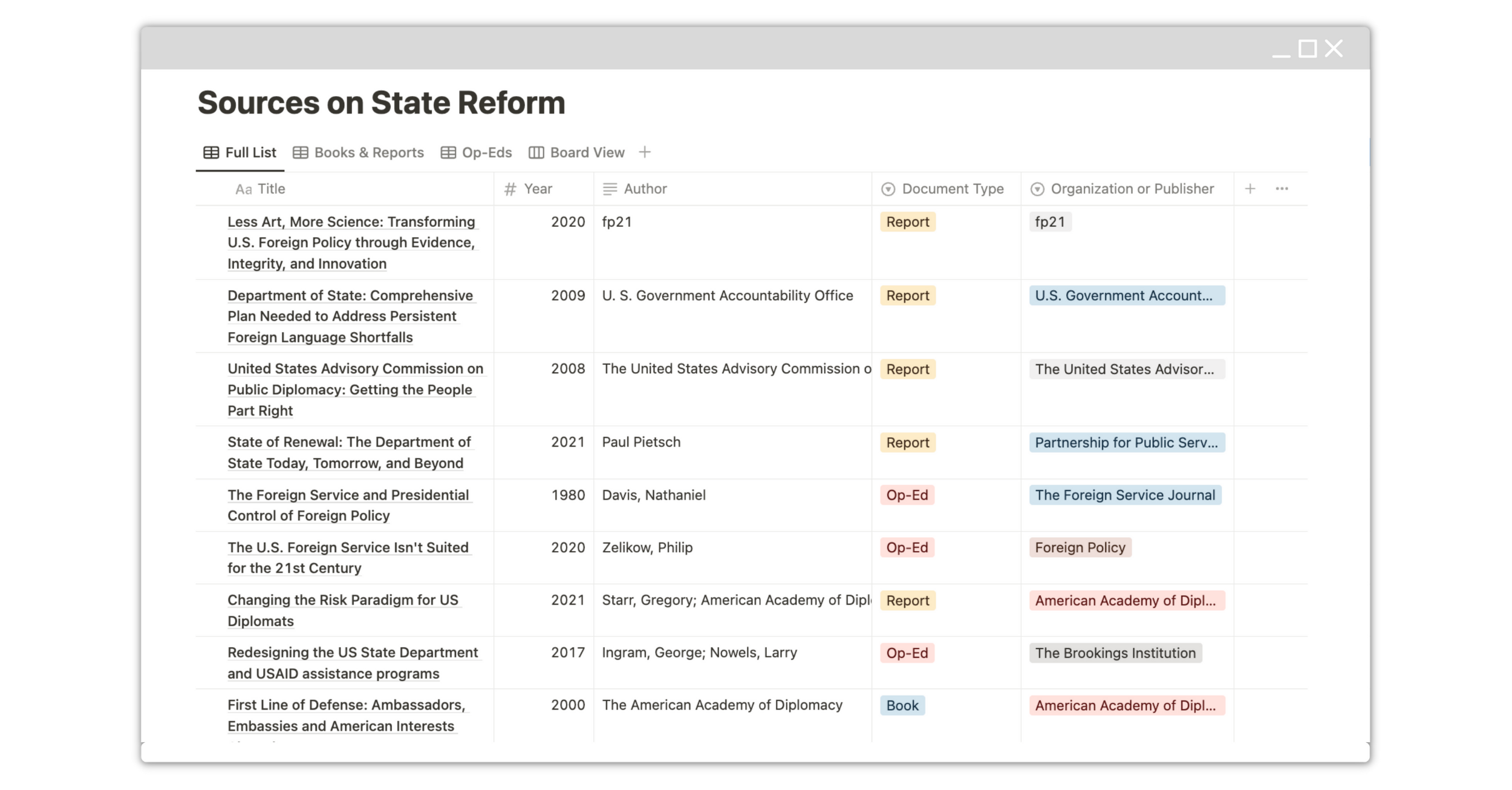
Toby Weed: fp21 created this database of State Department reform recommendations as a resource for those working to reform US foreign policy process. Too many would-be reformers proceed without reviewing the large body of work on State Department reform that has accumulated from prior attempts. Any reforms need to be carefully researched and based on the best available evidence.
American Foreign Policy Decision-Making at the Agency Level: The Department of State as Exemplar?
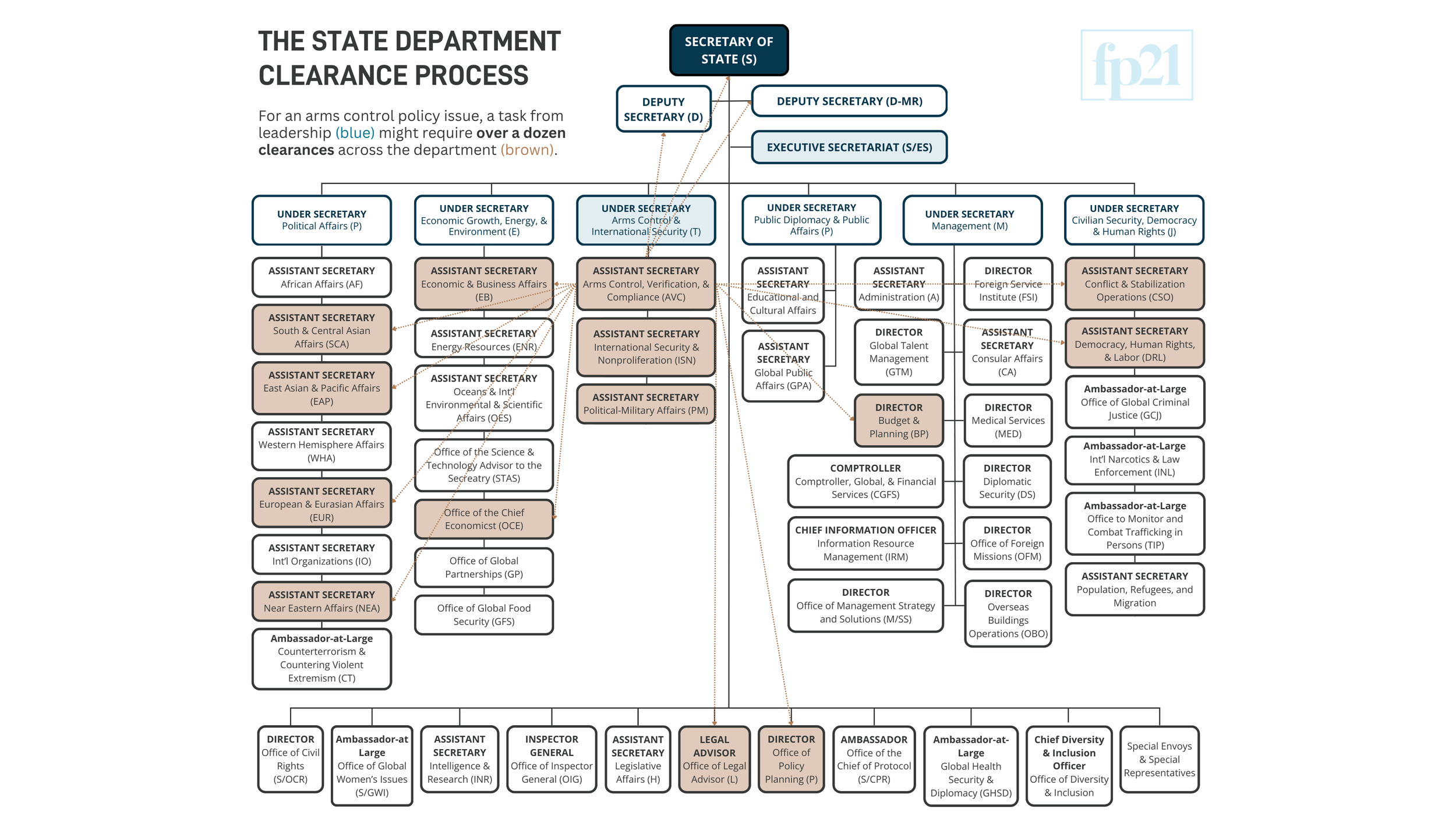
Jeff Jager: To coordinate and collaborate on national security issues, the State Department’s clearance process ensures that all possible stakeholders have to sign off on anything that State does. The process has some advantages but many downsides such as prioritizing consensus at the expense of policy outcomes. Jeff explains and evaluate the clearance process and considers ways forward.
Identifying Influence in Geopolitics: China’s Belt and Road Initiative
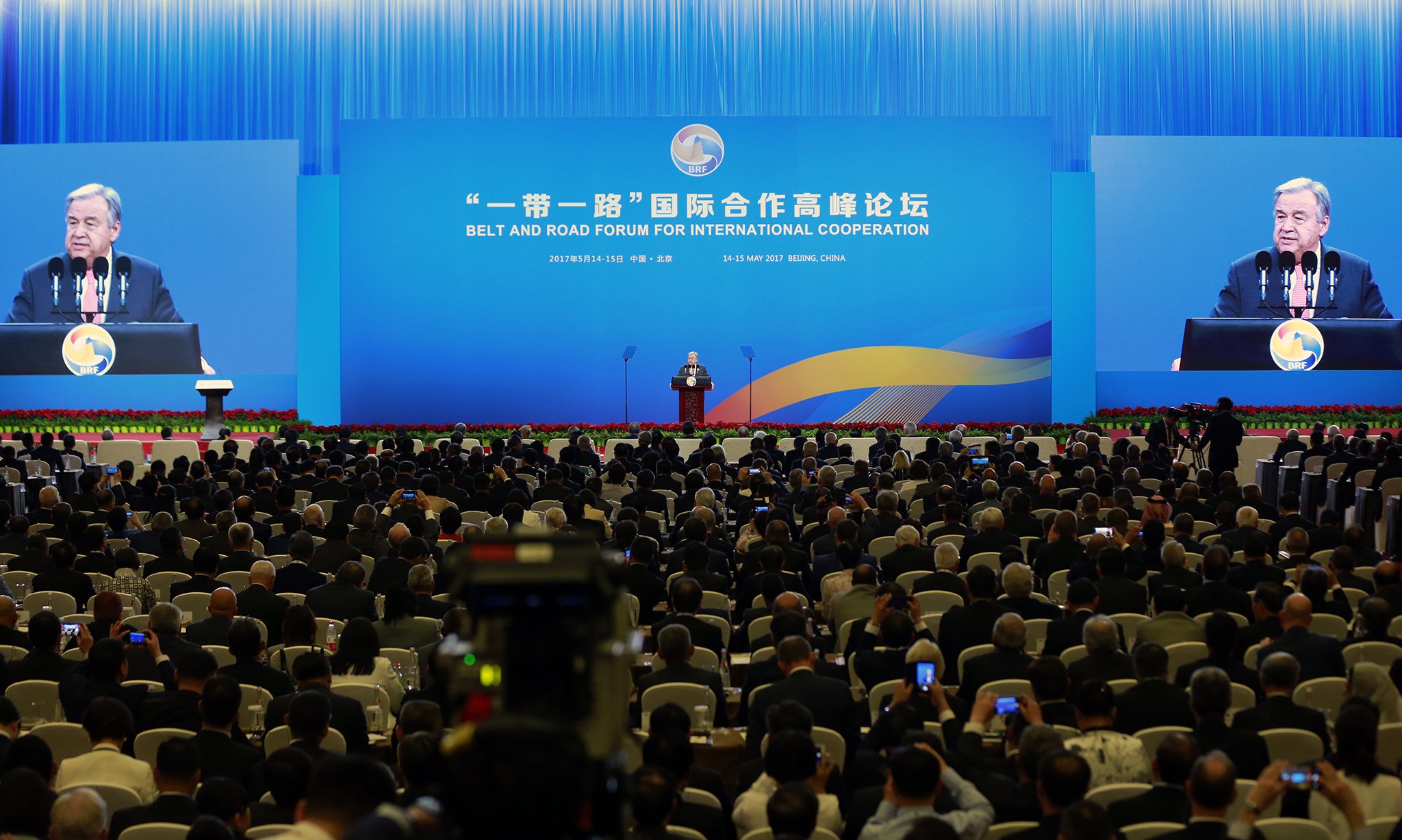
Thomas Scherer: The Belt and Road Initiative (BRI) is China’s $1 trillion (and growing) infrastructure investment program, prompting large counter-investments from U.S. allies. But there’s a huge assumption baked into this financial arms race to exert influence: more investment causes more influence. Is that even true? New research suggests not.
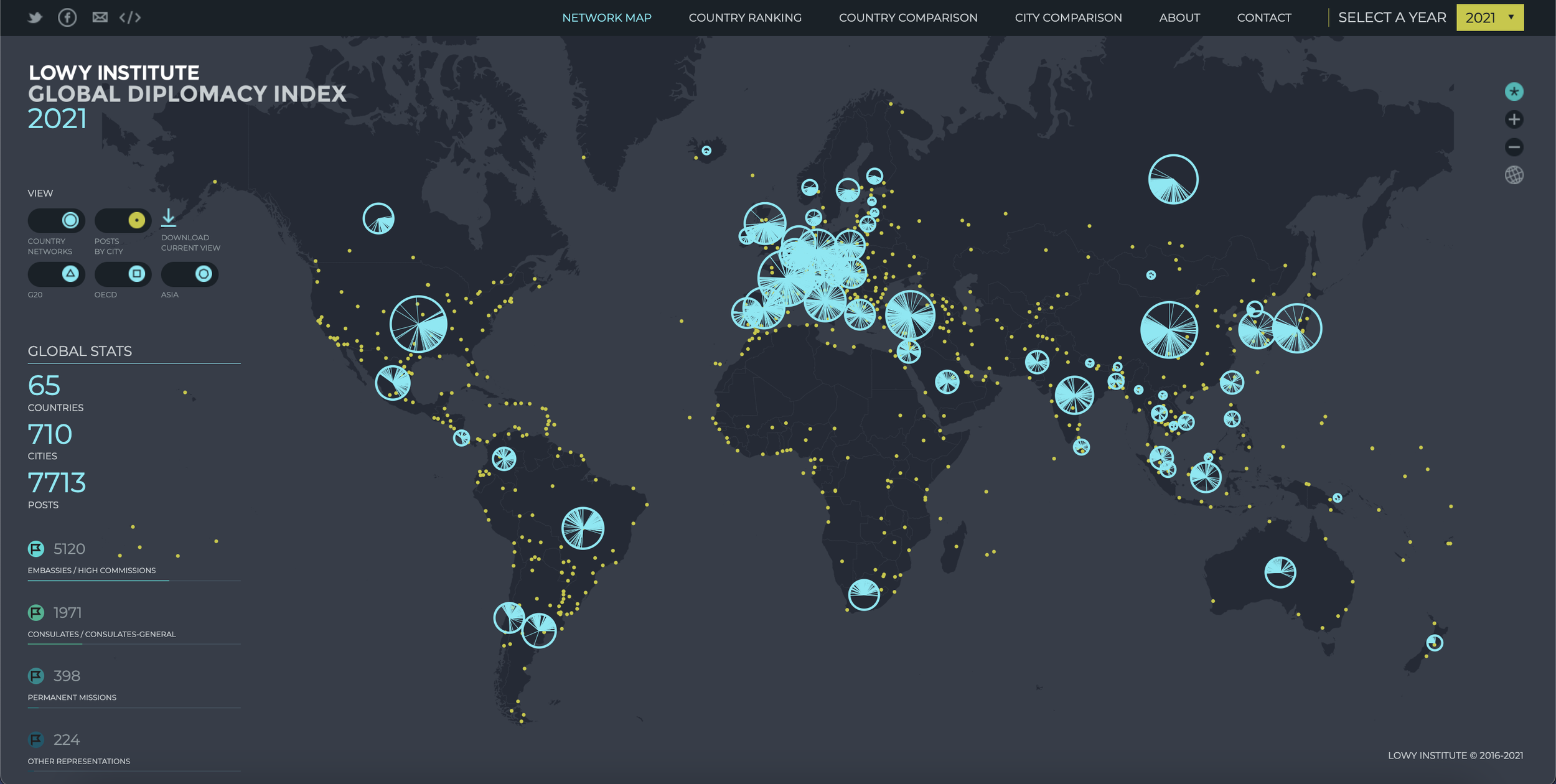
To Quantify Or Not to Quantify? Foreign Policy Needs Measurement
Toby Weed: Foreign policy establishment needs to follow the example set by other fields and incorporate quantitative measurement into its analytical and decision-making processes. By measuring the phenomena and concepts central to the work – using mathematical language to discuss them and accompanying that discussion with empirical observation – foreign policy practitioners can reduce their uncertainty and make better decisions.
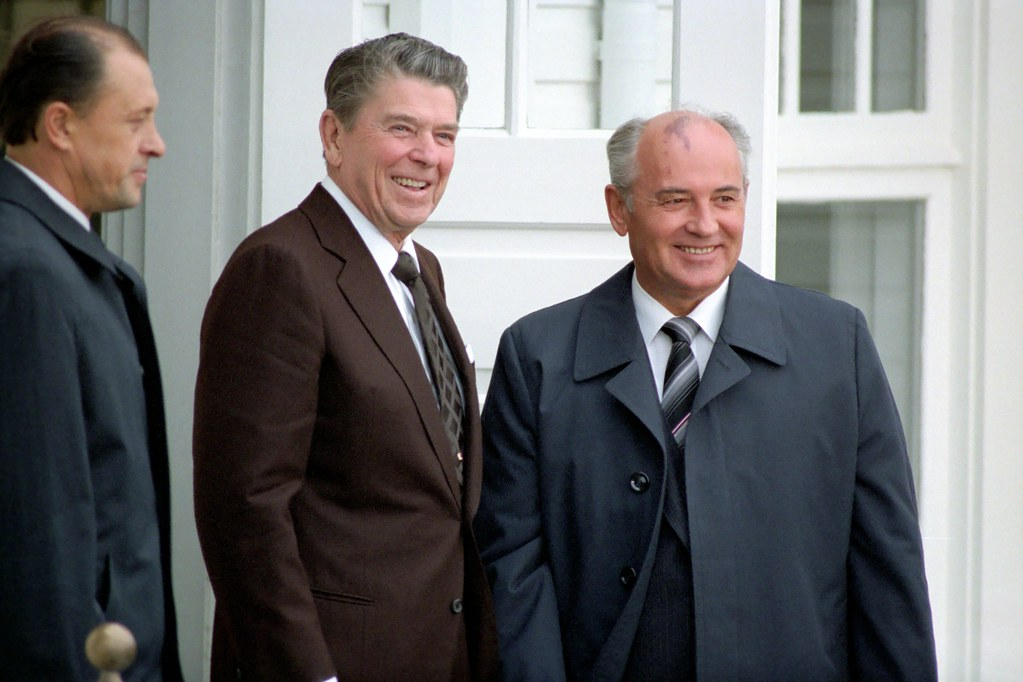
Does UNGA Matter? Examining the Research for Face-to-Face Diplomacy
Sanjana Patel: Is face-to-face diplomacy merely a symbolic practice, or does it hold unique value to meaningful shape international affairs? This article surveys evidence on the value of face-to-face diplomacy across a range of disciplines.
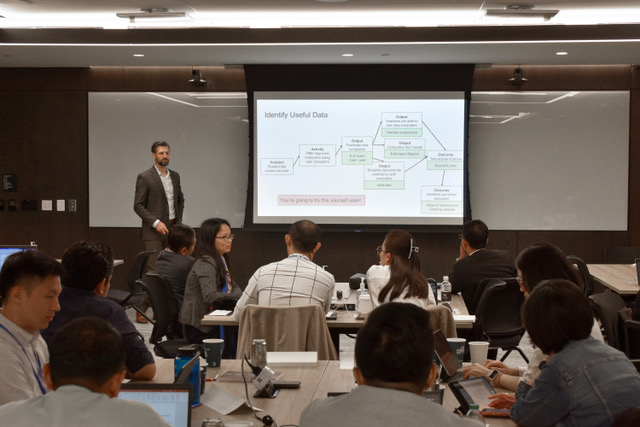
Teaching Data-Driven Decision-Making
Dan Spokojny: Last week Dan finished teaching a course on “Data-Driven Decision-Making” for a White House-led initiative called the U.S.-ASEAN Institute for Rising Leaders at the Johns Hopkins School of Advanced International Studies. The top-line argument for the course was to use the best available evidence to make the best possible decisions.